
The international scientific and analytical, reviewed, printing and electronic journal of Paata Gugushvili Institute of Economics of Ivane Javakhishvili Tbilisi State University

Sustainable Tourism in the Context of the SDGs: Challenges and Opportunities
DOI kodi: 10.52340/ekonomisti.2026.03.06
Annotation:In recent years, tourism has become one of the fastest-growing sectors of the global economy, playing a significant role in sustainable development through its economic, social, and environmental impacts. The concept of sustainable tourism emphasizes the implementation of tourism activities based on the principles of economic efficiency, environmental protection, and social well-being. This article examines the key challenges and opportunities of sustainable tourism within the framework of the Sustainable Development Goals (SDGs). The study explores the contribution of tourism to economic growth, employment generation, responsible consumption, and environmental sustainability. In addition, challenges such as climate change, inefficient resource use, and overtourism are critically assessed. The findings suggest that the development of sustainable tourism can significantly contribute to the achievement of the SDGs while ensuring the long-term sustainability of the tourism sector.
Keywords: Sustainable tourism, SDGs, sustainable development, tourism policy, green tourism, environmental sustainability
Introduction
Tourism has become one of the most significant and rapidly expanding sectors of the global economy, contributing substantially to global GDP, employment creation, export earnings, and regional development, especially in developing countries. United Nations World Tourism Organization highlights that tourism accounts for a major share of global economic activity and serves as a key driver of economic diversification and poverty reduction in many regions. Beyond its economic impact, tourism also facilitates cultural exchange and international cooperation; however, it simultaneously generates pressures on infrastructure and natural resources if not properly managed.[10]
In recent decades, the importance of sustainable tourism has increased significantly due to growing concerns about environmental degradation, climate change, and socio-cultural impacts of mass tourism. Sustainable tourism is defined as tourism that takes full account of its current and future economic, social, and environmental impacts, addressing the needs of visitors, the industry, the environment, and host communities.[8]
Researchers such as Sharpley argue that traditional tourism development models often prioritize short-term economic benefits, which can lead to long-term environmental damage and socio-cultural disruption. Similarly, Gössling emphasize that unsustainable tourism practices contribute to resource depletion, biodiversity loss, and overtourism in popular destinations. Butler also notes that tourism destinations have a limited carrying capacity, and exceeding this capacity results in irreversible environmental and social consequences.
Tourism and the Sustainable Development Goals (SDGs)
The concept of sustainable tourism is closely linked to the United Nations Sustainable Development Goals (SDGs), adopted in 2015 under the 2030 Agenda for Sustainable Development (UN, 2015). Tourism is directly or indirectly associated with several SDGs, particularly SDG 8 (Decent Work and Economic Growth), SDG 12 (Responsible Consumption and Production), and SDG 13 (Climate Action), as well as SDG 14 (Life Below Water) and SDG 15 (Life on Land).[9]
According to UNWTO , tourism can act as a catalyst for achieving these goals by generating employment, supporting local enterprises, promoting sustainable consumption patterns, and encouraging environmental conservation practices. However, the effectiveness of tourism in contributing to SDGs depends largely on governance quality, policy implementation, and stakeholder coordination.[9]
Research Aim and Significance
The main aim of this study is to analyze the role of sustainable tourism within the framework of the SDGs, with a particular focus on its challenges and opportunities. The significance of this research lies in its contribution to understanding how tourism can be transformed into a more sustainable and resilient sector that supports long-term global development objectives. By reviewing existing academic literature and policy frameworks, this study seeks to highlight the importance of integrating sustainability principles into tourism development strategies at both global and local levels.[4],[5]
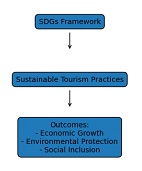
Figure 1. Conceptual Framework: SDGs and Sustainable Tourism
The Concept of Sustainable Tourism
Sustainable tourism is a key concept within contemporary tourism studies, emerging as a response to the negative environmental and socio-cultural impacts of mass tourism. It is broadly defined as tourism that fully considers its current and future economic, social, and environmental impacts while addressing the needs of visitors, the industry, the environment, and host communities . This definition is widely accepted in the academic literature and forms the foundation of sustainable tourism studies.
The theoretical roots of sustainable tourism are closely linked to the broader concept of sustainable development introduced by the United Nations in the Brundtland Report (1987), which defines sustainable development as development that meets the needs of the present without compromising the ability of future generations to meet their own needs. Building on this framework, researchers such as Butler, Sharpley, and Gössling argue that tourism development must balance economic growth with environmental protection and social equity to ensure long-term sustainability.
Recent literature also emphasizes that tourism destinations have a limited carrying capacity, and exceeding this threshold leads to environmental degradation, overtourism, and socio-cultural disruption. Therefore, sustainable tourism is increasingly viewed not only as a policy goal but also as a necessity for long-term destination resilience.
United Nations SDGs and Their Link to Tourism
The Sustainable Development Goals (SDGs), adopted by the United Nations in 2015 as part of the 2030 Agenda for Sustainable Development, provide a global framework for addressing economic, social, and environmental challenges. Tourism is explicitly recognized within SDG Target 8.9, which emphasizes the promotion of sustainable tourism that creates jobs and supports local culture and products.
According to United Nations World Tourism Organization, tourism contributes directly and indirectly to several SDGs, particularly SDG 8 (Decent Work and Economic Growth), SDG 12 (Responsible Consumption and Production), SDG 13 (Climate Action), SDG 14 (Life Below Water), and SDG 15 (Life on Land). Tourism is therefore considered a cross-cutting sector that influences multiple dimensions of sustainable development.
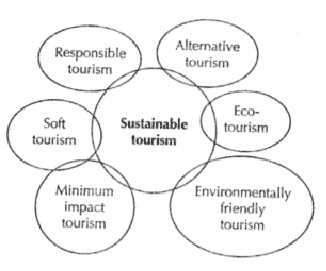
Figure 2. The impact of sustainable tourism approaches on the Sustainable Development Goals (SDGs).
Recent studies further highlight that tourism can act as both an enabler and a challenge for SDG implementation. On one hand, it supports income generation, infrastructure development, and cultural preservation; on the other hand, it may contribute to environmental degradation and inequality if poorly managed.
Previous Studies on Sustainable Tourism and SDGs
The academic literature on sustainable tourism has expanded significantly over the past decades. Early studies by Bramwell and Lane and Butler introduced foundational discussions on sustainability limits in tourism development. These works emphasized that tourism must be managed within environmental and social boundaries to remain viable in the long term.
More recent research has focused on the integration of SDGs into tourism development frameworks. A systematic review by United Nations World Tourism Organization shows that sustainable tourism is increasingly studied in relation to governance, innovation, and policy implementation. Similarly, Gössling argue that climate change and resource consumption are central challenges that must be addressed through sustainable tourism strategies.
Other studies, such as Sharpley, emphasize the importance of stakeholder collaboration, local community participation, and responsible tourism behavior in achieving sustainability outcomes. Furthermore, recent systematic literature reviews indicate that while theoretical frameworks are well developed, there remains a gap between policy objectives and real-world implementation of sustainable tourism practices.
Overall, previous research confirms that sustainable tourism is a multidimensional concept that integrates environmental protection, economic development, and social well-being, but its operationalization within SDG frameworks remains a continuing challenge.
Challenges of Sustainable Tourism
Despite its growing importance, sustainable tourism faces a number of critical challenges that limit its effective implementation. One of the most significant issues is overtourism, which occurs when destinations receive more visitors than their environmental and socio-cultural capacity can sustain. According to Gössling, overtourism leads to ecosystem degradation, infrastructure overload, and declining quality of life for local communities.
Climate change is another major challenge affecting the tourism sector. The United Nations World Tourism Organization reports that tourism both contributes to and is affected by climate change due to its reliance on transportation, energy consumption, and coastal infrastructure. Rising temperatures, extreme weather events, and sea-level rise increasingly threaten tourism destinations worldwide.
Environmental pollution, including waste generation, water contamination, and air pollution, further undermines the sustainability of tourism activities. Butler emphasizes that uncontrolled tourism development often exceeds environmental carrying capacity, leading to long-term ecological damage.[2]
Seasonal dependency is another structural problem in many tourism destinations, where economic activity is concentrated in specific periods of the year. This results in unstable employment and inefficient resource utilization. Additionally, overuse of natural resources such as water, land, and energy places further pressure on fragile ecosystems.[5]
Opportunities of Sustainable Tourism
Despite these challenges, sustainable tourism also presents significant opportunities for economic and social development. One of the most important opportunities is the growth of green tourism, which focuses on minimizing environmental impact through eco-friendly practices, renewable energy use, and waste reduction strategies.
Ecotourism is another rapidly growing segment that promotes responsible travel to natural areas while conserving the environment and improving the well-being of local communities. According to UNWTO, ecotourism contributes to biodiversity protection and encourages environmental awareness among tourists.
Sustainable tourism also plays a key role in generating local employment, particularly in rural and developing regions. It supports small businesses, local entrepreneurship, and community-based tourism initiatives, thereby contributing to poverty reduction and inclusive growth.[10]
Digital tourism management represents another important opportunity. The use of digital platforms, artificial intelligence, and smart tourism technologies enhances destination management efficiency, improves visitor experience, and reduces environmental pressure through better resource allocation.
Finally, sustainable tourism contributes to regional development by promoting infrastructure investment, improving connectivity, and enhancing the global competitiveness of destinations.[5]
Role of SDGs in Tourism Development
The United Nations Sustainable Development Goals (SDGs) provide a global framework for aligning tourism development with sustainability principles. Tourism is directly linked to several key SDGs that shape its development trajectory.
SDG 8 (Decent Work and Economic Growth) highlights the importance of tourism in generating employment opportunities, stimulating entrepreneurship, and supporting inclusive economic growth. According to UNWTO, tourism is one of the largest job-creating sectors globally, particularly for youth and women.[9]
SDG 12 (Responsible Consumption and Production) focuses on reducing resource consumption and waste generation in tourism activities. This includes promoting sustainable production patterns, reducing plastic use, and encouraging responsible tourist behavior.
SDG 13 (Climate Action) emphasizes the need to reduce greenhouse gas emissions and enhance climate resilience within the tourism sector. As tourism is highly vulnerable to climate change, mitigation and adaptation strategies are essential for long-term sustainability.[9]
Together, these SDGs demonstrate that tourism is not an isolated sector but an integrated part of global sustainability efforts.
Conclusion
This study demonstrates that sustainable tourism plays a crucial role in supporting the achievement of the Sustainable Development Goals. The findings indicate that while tourism contributes significantly to economic growth, employment generation, and regional development, it also faces serious challenges such as overtourism, climate change, environmental degradation, and resource overuse.
To address these challenges, the development of green tourism, ecotourism, and digital tourism management systems is essential. These approaches can enhance efficiency, reduce environmental impact, and improve the overall sustainability of the tourism sector.
Furthermore, the integration of SDG principles particularly SDG 8, SDG 12, and SDG 13 provides a strong framework for guiding tourism policy and practice. Strengthening governance mechanisms, improving stakeholder collaboration, and increasing awareness among tourists and industry actors are critical for achieving sustainable outcomes.
Future research should focus on empirical case studies, particularly in developing regions, to better understand how sustainable tourism policies are implemented in practice and how their effectiveness can be improved.
References
1. Bramwell, B., & Lane, B. (1993). Sustainable tourism: An evolving global approach.
2. Butler, R. W. (1991). Tourism, environment, and sustainable development.
3. Butler, R. W. (2019). Tourism and development: Concepts and issues. Channel View Publications.
4. Gössling, S., Scott, D., & Hall, C. M. (2018). Global environmental change and tourism. Routledge.
5. Sharpley, R. (2020). Tourism, development and the environment. Routledge.
6. United Nations. (1987). Our common future (Brundtland Report).
7. United Nations. (2015). Transforming our world: The 2030 Agenda for Sustainable Development. https://sdgs.un.org/2030agenda
8. United Nations Environment Programme (UNEP) & United Nations World Tourism Organization (UNWTO). (2005). Making tourism more sustainable: A guide for policy makers.
9. United Nations World Tourism Organization (UNWTO). (2022). Tourism and sustainable development report.
10. United Nations World Tourism Organization (UNWTO). (2023). Tourism and sustainability report.